


How to Choose the Perfect Kitchen Colours
Whether you dream of a sleek, modern oasis or a warm, traditional haven, your kitchen’s colour scheme sets the stage for all your culinary experiences. Our expert guide is here to help you discover how to choose the best kitchen colour scheme that not only enhances your space but also captures your unique taste.
What is a Kitchen Colour Scheme?
A kitchen colour scheme is the thoughtful combination of colours used to create a cohesive and visually appealing look in your kitchen. It involves selecting hues for various elements such as walls, cabinets, countertops and appliances to ensure they work harmoniously together.
A well-designed kitchen colour scheme not only enhances the aesthetic appeal of the space but also influences the mood and functionality of the room. Whether you prefer a vibrant, energetic kitchen or a calm, serene space, the right colour scheme can make all the difference.
Colour Theory Basics
Understanding the basics of colour theory can be a game-changer when it comes to designing your kitchen. Colour theory explores how colours interact and the emotions they evoke, helping you create a balanced and harmonious look. Here are some key concepts to consider:
Colour Wheel
The colour wheel is a circular diagram of colours arranged by their chromatic relationship. Colour wheels are essential tools for understanding which colours complement each other. Primary colours (red, yellow, blue) form the foundation, with secondary and tertiary colours branching out. This tool is essential for understanding how different colours relate to each other.

Complementary Colours
These are pairs of colours that sit opposite each other on the colour wheel, such as blue and orange or red and green. Using complementary colours can create a bold, dynamic look, adding vibrancy and energy to your kitchen. For example, incorporating dark blue can create a bold and inviting atmosphere. Pairing it with lighter elements like white and pink will help you maintain brightness while making a strong style statement. It’s a great way to add vibrancy and create a focal point in your kitchen design.

Analogous Colours
These are groups of colours that are next to each other on the colour wheel, like blue, green and yellow. Analogous colours create a harmonious and soothing effect, perfect for a relaxed and cohesive kitchen environment.

Tonal Schemes
For a sleek, cohesive look, use varying shades of a single colour. This approach, known as a monochromatic palette, offers a sophisticated and harmonious aesthetic that’s easy on the eyes. It’s a versatile choice that works well for creating a seamless, stylish environment.

By mastering these colour theory basics, you can confidently choose a kitchen colour scheme that enhances the beauty of your space.
Understanding Your Kitchen’s Unique Needs
Style and Mood
Warm Colours (Red, Orange, Yellow): These hues are ideal for creating an energetic and lively environment. Red can stimulate conversation and appetite, making it a great choice for a bustling, family-oriented kitchen. Yellow and orange add cheerfulness and warmth, brightening up the space and infusing it with energy. Incorporating a bold colour like burnt orange can serve as a vibrant and warm element that complements other hues, such as powder blue or natural wood accents. Additionally, using a bold colour for cabinet doors can significantly enhance the overall aesthetic appeal, either by contrasting or blending with other kitchen elements like flooring and ceilings.

Cool Colours (Blue, Green, Purple): Cool tones bring a sense of calm and relaxation. Blue is perfect for a serene kitchen atmosphere where you can unwind. Green adds a refreshing, natural touch, promoting a restful and rejuvenating space. Purple introduces depth and luxury, adding a sophisticated flair.

Neutral Colours (White, Grey, Beige): Neutral shades offer a versatile, timeless backdrop that can make your kitchen feel more open and airy. They’re great for creating a classic and sophisticated look. Muted tones also allow you to play with pops of colour through accessories and accents, adapting the space to your evolving tastes.

Size and Layout
The size and layout of your kitchen play a pivotal role in determining how colours will affect the space.
For Smaller Kitchens: Light colours can make compact spaces feel more expansive and open. Opt for reflective finishes, like glossy whites or soft pastels, to bounce light around and create a sense of airiness. To add depth without overwhelming the kitchen space, you might consider subtle patterns or textures. Another effective technique is to use a darker shade on the lower half of kitchen cabinets and lighter shades on upper walls, which can visually expand the room and create an impression of higher ceilings.
For Larger Kitchens: Embrace the opportunity to use dark tones or more saturated colours to cultivate a warm and inviting atmosphere. Rich tones can help delineate different areas within a spacious kitchen, such as a dining nook or cooking zone, providing a sense of intimacy and definition. These colours can make expansive areas feel more cosy and enclosed, enhancing the overall comfort of your kitchen.
Lighting
Understanding how lighting interacts with colour is crucial for achieving the perfect look in your kitchen. The way light plays with your chosen kitchen colour palette can significantly influence the final effect.
Natural Light: Colours look most accurate and vibrant in natural daylight. If your kitchen benefits from ample sunlight, you can confidently experiment with bolder colours, knowing they will still appear bright and lively. Consider the direction and intensity of the natural light throughout the day, as this will affect how the colours shift and change.


Artificial Lighting: The type of artificial lighting you use can dramatically alter how colours appear. For example, incandescent lighting adds warmth to colours, making them look more yellow or orange, while LED lighting often casts a cooler, bluish tone. Fluorescent lights can sometimes give a greenish cast. To ensure that your chosen colours look as you envision them, it’s essential to test paint samples under your kitchen’s specific lighting conditions.
Bringing Your Kitchen Vision to Life
Choosing The Right Colour Scheme
When it comes to kitchen colour schemes, there are several popular options to consider, each offering a unique aesthetic and feel:
- Monochromatic: The monochrome kitchen scheme uses varying shades of a single colour to create a cohesive and sophisticated look. For example, different tones of grey can add depth and elegance to your kitchen.
- Soft Pastels: These gentle shades create a soothing and inviting atmosphere. Ideal for a kitchen where you want to enjoy relaxed meals or peaceful mornings, pastel shades make the space feel light and airy.
- Complementary: This scheme involves using colours that are opposite each other on the colour wheel, such as blue and orange. Complementary colours create a striking and vibrant look, making each colour pop. A white tile backsplash can create a clean and simple backdrop that contrasts beautifully with bold colour choices.
- Bold Contrasts: High-contrast schemes, such as black and white or navy and gold, add drama and excitement. These colours make the space feel dynamic and engaging, perfect for a lively kitchen where entertaining is key.
- Analogous: This scheme uses colours that are next to each other on the colour wheel, like blue, green, and yellow. Analogous colours provide a harmonious and calming effect, ideal for a serene kitchen space.
Neutral: This scheme focuses on neutral shades like beige, white and grey. Neutral colours create a clean, minimalist look that can be easily updated with accessories and accents.
Each of these kitchen colour schemes offers different benefits and can be tailored to suit your personal style and the overall atmosphere you want to create in your kitchen.
Choosing The Right Supporting Elements
Supporting elements, such as walls, floors and appliances can greatly impact the overall look and feel of your kitchen. When selecting colours for these elements, consider the following tips:
- Choose colours that will complement the colour of your kitchen cabinets, countertops and flooring.
- Consider the style and design of your kitchen, and choose colours that will fit with this aesthetic.
- Don’t forget to consider the colour of your kitchen accessories, such as lighting and decor, and choose colours that will complement these elements.
- Use a colour wheel to help you select colours that will work well together.

Applying the 60:30:10 Rule
Achieve a balanced and visually appealing kitchen design by following the 60:30:10 rule:
- 60% Dominant Colour: This is the main colour that sets the overall tone of your kitchen, usually covering the largest surfaces like kitchen cabinets or walls. It establishes the primary mood of the space.
- 30% Secondary Colour: Add depth and interest with a secondary kitchen colour that complements the dominant one. For instance, you can use your countertops, backsplash, or larger appliances to create contrast and visual interest. For example, marble countertops can enhance the overall design and ambiance by complementing a wide range of colours and materials.
- 10% Accent Colour: Introduce a pop of personality with an accent kitchen colour. This could be vibrant tiles, colourful accessories or striking light fixtures. These smaller touches bring your design to life and add character to your kitchen.
Summary
Choosing the best colour scheme for your kitchen is both an art and a practical task, reflecting your style while meeting your needs.
It’s important to keep in mind that kitchens are dynamic spaces that mirror your lifestyle and can evolve over time. To keep your kitchen looking fresh and adaptable, start with timeless base elements like neutral-coloured cabinets and countertops. Then, introduce bolder or trendier colours through easily changeable features, such as wall paint or decorative accessories. This approach lets you experiment with style while maintaining a classic foundation.
Get Inspired
Looking for more kitchen colour ideas? Check out our gallery of recent projects and see how different kitchen colour schemes come to life in beautiful, bespoke spaces we have created.

Open-Plan Kitchen Designs to Elevate Your Home
The concept of an open-plan kitchen isn’t a new one, however, as styles and trends progress, there are countless ways to create a bespoke approach to open-plan living that blends unique style with functional dining and living spaces.
At J.S. Geddes, we have extensive experience in delivering custom kitchen designs that utilise open-plan layouts that bring together all aspects of the kitchen, living and dining space to create a communal hub at the heart of your home.
The Benefits of Open-Plan Living
Open-plan layouts offer a practical way to blend the functional requirements of kitchen design with the multi-functional space required for living and dining areas.
1. Effortless Integration Solutions
Combining a living space and dining area presents countless opportunities to prioritise everything from storage space and practical lighting to integrated appliances and a dedicated cooking zone.
2. An Optimum Choice for Small Homes
An open floor plan kitchen can be efficiently used in smaller layouts by seamlessly integrating with the rest of the home, creating an illusion of a large space within a limited area.
3. Enhanced Entertaining Options
With a multipurpose kitchen and dining room, entertaining opportunities can be created with a multipurpose space that’s perfect for cooking, dining and hosting.
4. Bespoke Design Ideas
With multiple open-plan layout options to take advantage of, your custom design can offer exactly what you need, whether you enjoy cooking, hosting a dinner party or relaxing in a social space.
Designing an Open-Plan Living Space and Dining Area
Creating a luxury kitchen and dining area that elevates your home requires insight into what you need from the space and how you’ll use it. Focal centre pieces in floating ovens can provide a talking point for all guests, whilst a bespoke seating area provides an open-plan space that is unique to the homeowner and their goals. At J.S. Geddes, our team will work with you to plan every stage of your living space to ensure your expectations are consistently exceeded.

Defining Your Goals
Before beginning any kitchen design, it’s crucial to define your goals for the area. Researching varying open-plan kitchen ideas will begin to inspire creativity, helping you decide whether a contemporary style or a more traditional choice is perfect for your home.
Taking time to consider who will be using the space will be key in creating a living and dining space that is perfect for your home. Culinary enthusiasts will benefit from a dedicated cooking area featuring integrated appliances, providing excellent performance and lifelong quality from leading luxury brands. Seamlessly blending into kitchen cupboard styles and shelves, bulky appliances can be concealed with mindful design choices that prioritise more space and extra storage.
For eager entertainers, open-plan dining and living spaces offer an uninterrupted flow from dining room to kitchen, providing distinct ‘zones’ without separating these with walls or architectural features. Complemented with an expanse of natural light within the extended area, your new open-plan area can truly showcase your personality as you host family and friends in your stunningly designed space.
Identifying Your Essentials
Your new kitchen and dining area should encapsulate the functional requirements of the space, but should also deliver on all aspects of your dream open-plan space. As you begin your design journey, identify non-negotiable elements of your new open-plan kitchen that will elevate the everyday.
Is wood flooring the only option when it comes to building your new space from the ground up?
Is a breakfast bar what you envision when you picture your new kitchen and dining room?
Is increasing your home’s resale value a priority?
Your new kitchen and dining room should provide a finished product that looks stunning, is ergonomically correct within your home and surpasses all of your expectations.
Selecting a Timeless Style
Kitchen ideas from various interior designers will undoubtedly focus on different styles, however, it’s important to consider if a current on-trend option is the correct choice for your home.
Like any art form, interior design changes with current trends and styles, meaning what’s in vogue when you build your new kitchen is quickly outdated with an updated visual style.
To ensure a timeless space, our team ensures that each open-plan kitchen we create is completely unique. All elements of the open plan layout are carefully considered and built around the space set up, frequent use cases and, most importantly, the people who will be using the area.
Our range of collections includes Poggenpohl, Callerton and our very own Geddes Collection, each offering a unique take on open-plan kitchen ideas that will elevate your spec with specialist design choices and integrated appliances that will match your lifestyle.
Open Plan Kitchen and Dining Area Ideas
With a firm understanding of the necessities your new space should provide, it’s essential to explore new ideas and concepts that can provide an enhanced fresh visual appeal for your open-plan kitchen. Our extensive experience in delivering living spaces that enhance the homes of our clients has instilled in us incomparable industry knowledge and visions that elevate the visual and functional capabilities of any kitchen and dining area.
Consider a Galley Kitchen
A galley kitchen layout is generally a narrow structure that is characterised by two parallel walls of kitchen cabinets. A galley kitchen is an ideal option for a compact space and can offer an alternative take on the traditional open-plan kitchen. Consider open shelving options for extra storage and display to help the space feel less constricted by cabinets and cupboards.

Introduce a Separate Utility Room
Whilst a utility space can absolutely be integrated into your open floor plan kitchen, it may be worth considering a separate room for solely this. If you’re a seasoned entertainer who wishes to treat guests to a memorable time, hiding appliances and functional tools in a utility room can be an efficient way to take advantage of additional storage.
Luxury Kitchen Appliances
Integrating your new space with premium stainless steel appliances can provide a truly elite cooking experience that will transform mealtimes and make entertaining a memorable event. As a supplier of industry-leading brands including Siemens, Miele and Gaggenau, modern technology can elevate your open-plan kitchen with elegant but functional equipment.


Explore a Broken-Plan Layout
As a contemporary twist on the traditional open-plan kitchen, a broken-plan style uses elements such as open shelving, breakfast bars or partial walls to break up an area into dedicated spaces, such as a cooking zone and an entertaining area. With a broken-plan design, an open layout can be maintained whilst still providing some level of distinction between a dining and living space.
Don’t Forget Good Lighting
The pairing of natural light with practical lighting in an open-plan kitchen is key when considering the kitchen design as a whole. A functional yet contemporary look can be created with the selection of appropriate task lighting for designated kitchen areas, such as pendant lighting to illuminate focal points with elegance.


Creative Kitchen Islands
A kitchen island can be a great idea for open-plan designs that are focused on cooking, socialising and entertaining. A central island can be used to house stainless steel appliances and kitchen units, whilst acting as both a space divider and a food prepping area, assisting with the natural flow of movement throughout the room. Any kitchen island is an excellent position as a central hub of an open-plan kitchen, often featuring pendant lighting to highlight the centre point of the room.
Examine Available Space
Depending on both the space and shape available for your open-plan kitchen, alternative structures may be explored to make the best use of the area. Working with an interior designer will allow you to plan any kitchen ideas around compact spaces or unique shapes. Compact spaces may benefit from open shelves or white cabinets to brighten and open the space, whereas larger rooms may be able to utilise two spaces more distinctly to create an individualised living area and kitchen.


Modern Technology Options
Out with the expected kitchen appliances, open-plan kitchens can allow for the creative use of modern technology for entertaining and lifestyle purposes. Integrated appliances can allow for watching TV from a designated seating area, paired with intuitive lighting such as dimmable LEDs to create a transformational entertaining experience.
Try Out a Breakfast Bar
If your space won’t accommodate a dedicated kitchen island, a breakfast bar can provide a similar offering for small spaces that will benefit from an open-plan design. Breakfast bars offer an informal alternative to a traditional dining table for eating and entertaining, often found in compact spaces that may have only a single wall architectural space to utilise.

Your Open-Plan Kitchen
No matter the route you select for your open-plan kitchen, following the above process and recommendations will undoubtedly result in a space that you are bound to fall in love with. Premium kitchen design is an opportunity to showcase your personality through specialised design ideas and create a space that provides a truly unique match for your lifestyle.

Explore an Open-Plan Kitchen with J.S. Geddes
Our award-winning background in kitchen design provides us with the inspiration and ideation required to create a truly unique open-plan kitchen built exactly for your space. Our state-of-the-art Ayrshire showroom displays our range of previous experience, from warm tones and white cabinets to minimalist modern design techniques.
Quick Answers
An open-plan layout can be an ideal choice for those who enjoy entertaining or hosting parties and gatherings. The free-flowing space offered by an open-plan kitchen can offer a unique feel that provides a contemporary reception area that’s unlimited by a traditional kitchen setup and structure.
An open-plan kitchen may also potentially raise the value of your property, offering a premium living area and dining space that can enhance the quality of your home.
Thanks to modern interior design techniques and processes, open-plan kitchen ideas can be utilised throughout homes of varying sizes and shapes. Smaller spaces can benefit from a consolidated kitchen and living area with intelligent design concepts, whereas larger homes can take advantage of extensive design elements such as a kitchen island, integrated appliances and stylish kitchen units that elevate any given space. An open floor plan kitchen can take advantage of natural light and make even the most compact of rooms feel grand and luxurious.
The layout of an open-plan kitchen design can be shaped around your available space and the current structure of your home. Some kitchen ideas will feature an expansive space, including multiple kitchen units and a kitchen island, whereas smaller spaces may utilise a one-wall kitchen design that will require less room to deliver equally stunning results.
Some open-plan kitchens may choose to feature a contemporary ‘dining nook’ or breakfast bar, rather than a traditional dining table, whilst others may adhere to more conventional styles with closed kitchen units.

What is a Bespoke Kitchen?
When you’re creating a home that feels truly your own, the kitchen plays a huge part as a crucial room. It’s not just about cooking. It’s about how the space looks, feels and fits into your daily life. A well-designed kitchen can reflect your personality, support your routines and feel great to spend time in. That’s where bespoke design comes in.
At J.S. Geddes, we don’t believe in one-size-fits-all. Every kitchen we create is personal, well thought out and beautifully made. So what does a bespoke kitchen mean, and why is it worth considering? Let’s break it down.

What Does a Bespoke Kitchen Mean?
The term ‘bespoke’ is often used, but in our world, it has a very specific meaning. A bespoke kitchen isn’t adapted or modified. It’s created from scratch, with you at the centre of every decision.
Everything is designed around your space and the way you live. You’re not simply making a few small changes to standard kitchen units, but you’re building something with intention.
Maybe you need a breakfast pantry with lighting and sliding doors for busy mornings. Or you love the idea of a sleek island with hidden sockets that keep things tidy. Even the direction of the woodgrain and the size of your drawers are something we think about carefully.
These little details might not stand out straight away, but together they create a kitchen that feels seamless, well made and uniquely yours.
How Does a Bespoke Kitchen Differ From a Standard One?
Standard kitchens are usually built from set sizes, fixed kitchen cabinet styles and pre-made units. Even kitchens that are called “custom” often start from a basic template.
With a truly bespoke kitchen design, you have the freedom to design every part of the space. You’re not just customising a mass-produced kitchen, you’re collaborating with a team that listens, understands your needs and turns them into practical, stylish solutions. This is exactly what sets J.S. Geddes apart.
Right from the start, you’ll work with a dedicated designer who takes time to get to know you and how you actually use your kitchen. Maybe natural light is important to you in the mornings, or you want a way to keep prep areas out of sight. Perhaps you’d feel more comfortable with worktops at a different height. These things might sound small, but they can make daily life feel smoother and more enjoyable.
“We recently had the pleasure of working with the Geddes Kitchen team, who delivered an exceptional result. Joanna, Michael, and the extended team of joiners approached the project with a collaborative and creative spirit, turning a kitchen, utility and pantry into a warm and inviting space.
The teams were exceptionally skilled, bringing a ‘can-do’ attitude to every process stage. They handled the build with professionalism and care, going above and beyond to ensure everything was completed to the highest standard. The entire team, from design to the very pleasant joiners, worked seamlessly together, and the post-fit service was outstanding, demonstrating their commitment to perfection. The Geddes team brought joy back into the build during a challenging few months with the project overall.”
Testimonial from Kenneth Mulholland
The Benefits of a Bespoke Kitchen
Choosing a bespoke kitchen isn’t just about adding luxury for the sake of it. It’s about building a space that works well, feels right in your home, and lasts over time.
Designed Around You
Everything starts with how you live. Do you cook with the kids? Host big family meals? Prefer to keep surfaces clear and gadgets tucked away? Once we understand your routines, we tailor a kitchen space that supports them.
For example, one particular customer of ours wanted a kitchen that could adapt depending on the day. Sometimes they cooked alone, sometimes they hosted. We designed a mobile island that could be moved around easily on hidden wheels. It gave them flexibility, looked fantastic, and felt like a centrepiece with its live-edge timber top and rich ‘Netherton’ paint finish.
“Changing and updating your kitchen can be very disruptive and stressful but the JS Geddes team made the whole experience extremely positive and simple. We felt fully supported while choosing the initial layout and design… We shared ideas and I was delighted with the end result, in particular the walnut living edge island. From measuring, planning, removing the old kitchen to completing the building work, fitting the units and appliances, decorating and arranging the new flooring. The process was well organised and efficient. We are delighted with our new kitchen and would definitely recommend JS Geddes to family and friends.”
Testimonial from Lynne

Exceptional Craftsmanship
Our in-house team of designers, makers and installers work closely together on every bespoke kitchen. That means nothing gets lost in translation and the standard stays high from beginning to end.
Whether it’s a perfectly mitred corner or a bin system that fits just right, the care we put into the details is what takes a kitchen from good to outstanding.
We also work with premium brands like Poggenpohl. So as well as looking beautiful, your kitchen is built with reliable, high-performance materials that are made to last.
Space That Works Smarter
With bespoke design, every part of your kitchen is made to measure, so nothing goes to waste. No awkward gaps, no unused corners. An empty alcove can become a coffee station, or a slim space can house a pull-out larder that keeps everything within easy reach.
We also integrate modern appliances that maximise space and work efficiently. From sleek fridge-freezers to built-in coffee machines, we help you choose the right options and fit them into the design seamlessly, keeping your kitchen both functional and clutter-free.


Built to Last
Our kitchens aren’t built for trends. They’re made to hold up over time, both in looks and in how they work. The materials we use, the way we build, and the timeless style all come together to create something that lasts.
Whether it’s the quiet close of a drawer or the solid feel of timber decades from now, quality has a way of making itself known — and staying relevant.
How Long Does a Bespoke Kitchen Take?
Since every kitchen is different, the timeline can vary. But in most cases, the whole process, from first consultation to final installation, takes between 14 and 20 weeks.
It depends on how complex the design is, how much personalisation is involved, and what the scope of the work looks like. Whatever the case, we guide you through every step so you always know what’s happening next.
What Does a Bespoke Kitchen Cost?
There’s no one-size-fits-all answer here, and that’s a good thing. A bespoke kitchen is shaped around your space, your style and what you need from it.
We always work within your budget, offering smart ideas and honest advice to make sure your investment goes where it matters most.

The J.S. Geddes Approach
At J.S. Geddes, we don’t just design kitchens. We solve problems, explore ideas, and craft spaces with care and creativity. Here’s how the journey works:
Everything starts at our award-winning design centre in Kilmarnock. You’ll meet with one of our designers, explore what inspires you, and talk about how you live and what you want from your dream kitchen.
Next, your designer visits your home to take measurements, get a feel for the space and spot opportunities to improve flow and function. If you’re renovating or building, we’ll review plans instead.
Back at the studio, our team develops a design that reflects your needs and the character of your home. We’ll walk you through 3D visuals and fine-tune everything, from layout to finishes, until it feels just right.
Once the design is signed off, we carry out a full technical survey and provide you with detailed drawings. You’ll also get a clear timeline, so you always know what to expect.
Even after your kitchen is installed, we’re still here to help. Whether you need guidance with appliances or have questions down the line, we’re always just a phone call away.
Our trusted team of installers brings the design to life with precision and care. Everything is fitted exactly as planned, down to the smallest detail.
A Kitchen That Reflects You
A bespoke kitchen isn’t just about materials and finishes. It’s about creating a space that fits the way you live. At J.S. Geddes, we design with care, always aiming for something that feels personal, practical and built to last.
Ready to start your own journey? Book a private consultation at our award-winning showroom and let’s design your ideal kitchen together.
Design Inspiration: Modern Cottage Kitchen Ideas
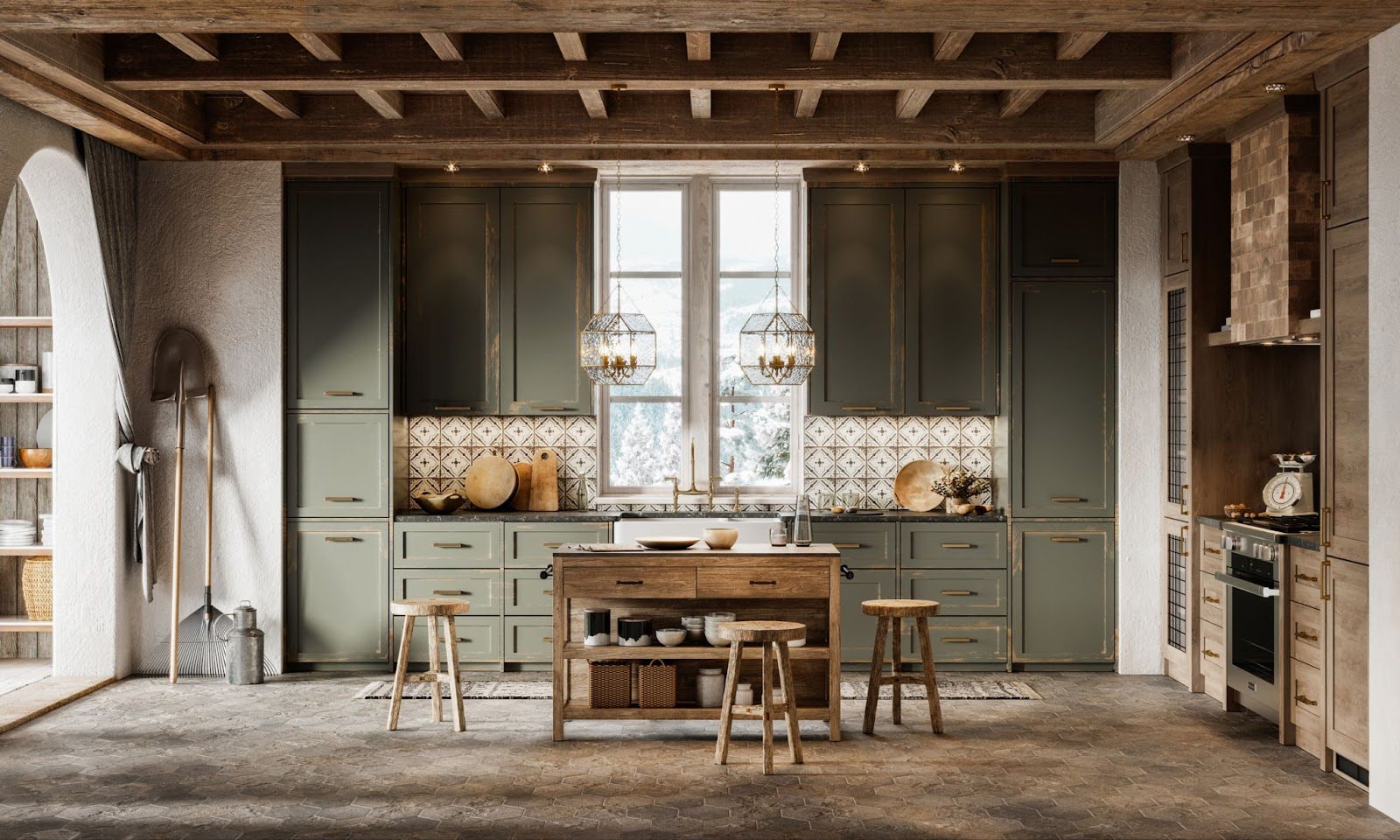
A modern cottage style kitchen should feel just as inviting as it is functional, blending rustic charm with everyday practicality. Here, we explore how to blend old-world charm with contemporary living, and how a bespoke kitchen by J.S. Geddes can bring it to life.
What Is A Modern Cottage Kitchen?
Cottage style kitchens are known for their warmth, character and relaxed feel. But if you’re picturing something purely rustic or vintage, think again.
A modern cottage kitchen takes those charming, familiar elements found in classic country style, like painted timber cabinetry, natural materials and lived-in textures, and combines them with modern performance and a contemporary twist. At J.S. Geddes, this often means sleek integrated appliances, bespoke cabinetry that maximises every inch, and finishes that elevate your kitchen into something both soulful and full of modern convenience.
We believe a kitchen should reflect how you live. Whether that means hidden storage, open shelving or a seamless island at the heart of your space, our designers will help shape a solution that feels just right.
Country Kitchen Ideas To Inspire Your Space
1. Build A Foundation With Colour
Soft greens, muted creams, warm greys and light blues create a calm backdrop that works across every season. These tones reflect light well and pair naturally with timber, stone and brass for endless appeal.

Project spotlight: In this stylish Callerton kitchen, soft grey cabinetry is paired with brushed brass hardware and a curved floating mantel that anchors the room with style and symmetry. The subtle palette allows natural light to bounce gently around the space, while timeless stone and lark white finishes keep the look clean, calm and enduring.
2. Choose Shaker Cabinetry For Classic Versatility
Shaker-style cabinetry gives a traditional cottage charm framework that you can personalise. With our bespoke approach, every door and cabinetry panel is crafted to suit your space, whether you have sloped ceilings, deep alcoves or period features to preserve.

3. Incorporate Freestanding Or Movable Pieces
Freestanding elements such as vintage dressers or mobile butcher’s blocks offer flexibility and character. These pieces can complement the clean lines of fitted cabinetry and contribute to an eclectic mix of old and new that brings charm and individuality to the room.

Project spotlight: In this uniquely flexible design, we crafted a bespoke island fitted with concealed casters, allowing it to be repositioned as needed – ideal for busy kitchen entertaining or adapting the space day to day. This mobile focal point proves that a cottage-style kitchen can still offer dynamic, contemporary function whilst ensuring an inviting atmosphere for all.
4. Embrace Made-To-Measure Storage
Older properties often come with quirks: slanted ceilings, chimney breasts or narrow wall spans. Our made-to-measure storage solutions are designed to work with, not against, your space. From tall larders and upper cabinets to bench seating with hidden compartments, we turn awkward kitchen layouts into purposeful ones.

Project spotlight: This elegant run of made-to-measure cabinetry brings rustic charm and order to a busy family kitchen. Behind clean-lined doors finished in a soft blue paint, you’ll find everything from pantry storage and wine racks to integrated refrigeration and utility essentials. Designed to make the most of a single wall, this solution delivers both visual harmony and day-to-day practicality.
5. Use Natural Materials With Texture And Depth
The modern cottage kitchen aesthetic thrives on contrast. We often pair painted cabinetry with open-grain oak, handmade tiles, stone flooring or a traditional farmhouse sink. Every texture brings a tactile quality to the room that balances the modern elements and helps create that familiar, homely cottage feel.

Project spotlight: In this tasteful space, we introduced warmth and character through carefully chosen natural elements, including a fluted timber island, oak flooring laid in herringbone and brushed brass fittings. The bespoke library ladders not only provided easy access to tall cabinetry but also made full use of the kitchen’s vertical space, turning a practical solution into a standout design feature. Rooted in tradition but thoughtfully adapted for modern living, this kitchen balances cottage charm and functionality with effortless ease.
6. Seamlessly Integrate Technology
Technology should serve your space, not dominate it. That’s why we integrate ovens, hobs, extraction fans, and even coffee machines discreetly into the cabinetry. The result is a kitchen that feels calm, considered and uncluttered, while still offering the best in performance.

Project spotlight: In this elegant Alloway home, discreet integration was key. Handleless Miele cooking appliances in Obsidian Black blend seamlessly into bespoke cabinetry. A Quooker boiling water tap sits subtly against Calacatta Gold worktops, with brushed gold detailing used throughout to create cohesion without visual clutter. Even the utility appliances are housed within tall cabinetry, ensuring that every inch of the space feels as refined as it is practical.
FAQs
Natural tones work best: soft greens, stone greys and warm whites are all popular. We offer a curated selection of painted finishes or can colour match to your preferred shade.
Absolutely. We integrate premium appliances seamlessly into your cabinetry so you benefit from modern function without disrupting the traditional design aesthetic.
Not at all. In fact, many of our cottage-style projects (including those in traditional rural cottage homes) involve clever use of quaint proportions or awkward spaces. Made-to-measure joinery and thoughtful kitchen layout planning by our interior designers make all the difference.
It’s all about balance. A true modern cottage kitchen combines classic elements like shaker kitchen cabinetry, natural timber textures and warm tones with smart storage, high-spec appliances and a clean, uncluttered layout. Every detail is tailored to the homeowner’s lifestyle, not just a look pulled from a catalogue.
Yes, and we often recommend it. Freestanding dressers, mobile kitchen islands or antique sideboards can add warmth and personality to the space while built-in cabinetry provides the structure and storage common in modern homes. The contrast between the two creates a beautifully layered look and that traditional cottage feel.
Definitely. We often incorporate concealed laundry zones, appliance garages or even integrated drying racks into cottage-style kitchens, especially in smaller homes where every space needs to work harder. These solutions keep the space looking calm and cohesive while boosting practicality.
Absolutely. A feature wall can work beautifully in a cottage kitchen, especially when created with materials that complement the overall palette, such as painted tongue-and-groove panelling, handmade tiles or exposed brick. It’s a great way to add depth, colour or a point of interest without overwhelming the space.
Let’s Design A Kitchen That Feels Like Home
Modern cottage kitchens take their cues from the practicality and timeless feel of traditional cottages, but are built for the way you live today.
At J.S. Geddes, we combine expert design with bespoke craftsmanship to bring ideas to life. Book a consultation at our Kilmarnock showroom to start your journey.
Download our brochure or call 01563 530838 to learn more about our process and past projects.

How To Prepare For Your Kitchen Design Appointment With J.S. Geddes
Designing your dream kitchen is an exciting journey and proper preparation can make the process seamless and enjoyable. At J.S. Geddes, we are dedicated to ensuring that your kitchen design consultation is tailored to your vision and needs. Discover how to prepare effectively, what to bring and the steps that follow to turn your kitchen dreams into reality.

What To Expect From A Kitchen Planning Appointment
During your complimentary 1-hour appointment, our expert designers will collaborate with you to understand your kitchen aspirations, style preferences and the unique features of your space.
You will start by exploring our Ayrshire showroom, either in-person or virtually. This tour allows you to view our latest kitchen designs and materials up close, providing inspiration and helping you envision how various elements could come together in your home.
Following the showroom visit, we will delve into your project details. We will discuss your specific requirements to ensure we grasp your vision fully. At J.S. Geddes, we focus on crafting a bespoke design that not only meets your aesthetic desires but also enhances functionality and longevity.
How To Prepare
To ensure that your appointment is as productive as possible, consider the following steps:
- Define Your Vision: Reflect on the overall look and feel you want for your kitchen. Are you drawn to a modern, minimalist aesthetic, or do you prefer a more classic, traditional style? Knowing your preferences will help our designers tailor their suggestions to fit your vision.
- Assess Your Needs: Think about how you use your kitchen daily. What are your cooking habits? Do you need ample storage, or are you looking for a layout that facilitates entertaining guests? Your lifestyle needs will play a crucial role in shaping the design.
- Establish a Budget: Have a rough idea of your budget. This will help our designers provide recommendations that align with your financial parameters and ensure that we can achieve your goals within your budget.

What To Bring To Your Appointment
To make the most of your consultation, we recommend bringing the following items:
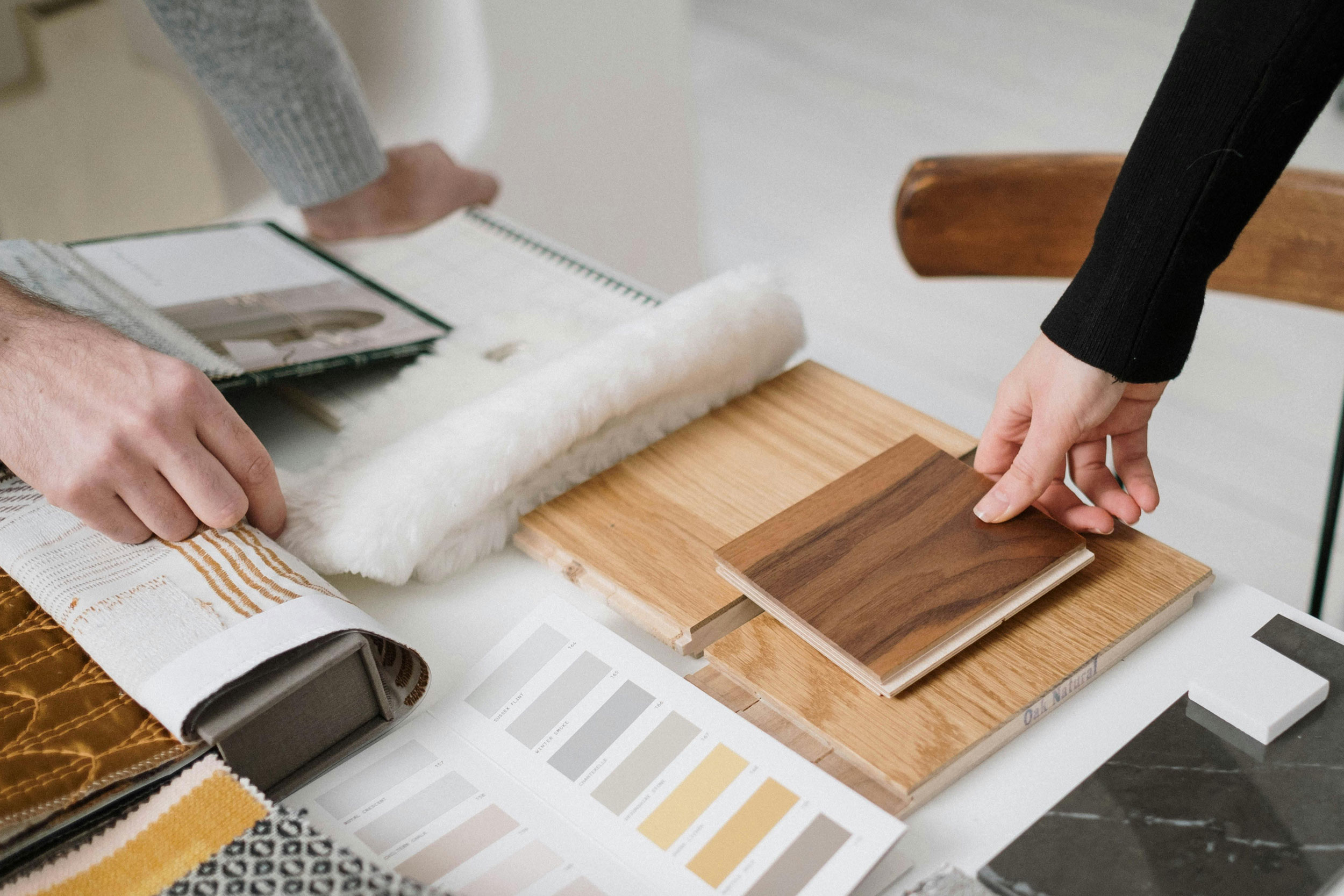
- Inspiration and Ideas: Gather any photos, magazine clippings, Pinterest boards or sketches that represent your ideal kitchen. These visual aids will help convey your style preferences and give our designers a clearer understanding of your vision.
- Current Kitchen Layout: If you are renovating an existing kitchen, bring any plans or measurements of your current layout. This will provide context and help our designers suggest improvements and modifications.
- List of Needs and Wants: Prepare a list of essential features you want in your kitchen and any additional “wish list” items you would like to include. This will guide the discussion and ensure that we address all your requirements.
What Happens Next
After your initial consultation, here is what you can expect:
- Home Visit: We will arrange a visit to your home to better understand your space and its layout. This allows us to make more precise design recommendations and ensure the proposed layout works seamlessly with your home.
- Design Development: Our team will use the information gathered during your appointment to create a detailed kitchen design tailored to your specifications. This includes layout plans, material suggestions and finishes.
- Design Presentation: We will schedule a follow-up meeting to present the finalised design. You will be able to view 3D renderings, review material selections and discuss any adjustments to ensure the design meets your expectations.
- Kitchen Survey: A site visit will be arranged to measure your space and ensure that the design fits perfectly. This helps us finalise the details and prepare for the installation.
- Final Approval: Once any necessary revisions have been made and you have approved the design, we will proceed with the final preparations. This includes coordinating the installation schedule and any additional services required.
- Installation: Our expert team will carry out the installation, adhering to the highest standards of quality and precision. We ensure that every detail aligns with your vision and that the process is smooth and efficient.
- Aftercare: Following installation, we offer comprehensive support to ensure you are fully satisfied with your new kitchen. We will walk you through the operation of your appliances, provide maintenance tips and address any questions you may have to keep your kitchen looking and functioning beautifully.
Book Your Appointment Today
Ready to transform your kitchen into a space of luxury and functionality? Book your complimentary kitchen design consultation with J.S. Geddes today. Whether you prefer an online or in-store appointment, our expert team is here to guide you every step of the way.

How to choose the right floor to ceiling kitchen cabinets
In the past, traditional kitchens have typically consisted of base cabinets and wall cabinets with freestanding or integrated appliances.
Today, however, design preferences have changed with more customers opting for floor to ceiling kitchen cabinets. And it’s easy to see why.
Taking your cabinetry right up to the ceiling can:
- Maximise storage and eliminate wasted space
- Create additional worktop space
- Streamline your kitchen’s aesthetic, removing awkward gaps
- Create a bold, seamless look that elevates the entire room
But are they the right choice for you? The decision is more complicated than you might think.
To help, we have put together a few things to consider, as well as some ideas from some of our recent projects with floor to ceiling cabinets in the design layout.
Table of Contents
- Are Floor-to-Ceiling Cabinets Right for Your Kitchen?
- What Is Your Floor-to-Ceiling Height?
- Maximise Storage & Functionality with Floor-to-Ceiling Kitchen Cabinets
- A Place for Integrated Kitchen Appliances Within a Streamlined Wall of Storage
- Architectural Features & Ceiling Details
- Floor-to-Ceiling Kitchen Cabinet Design Preferences
- How Much Do Floor-to-Ceiling Kitchen Cabinets Cost?
- Some of our recently completed floor to ceiling kitchen cabinet ideas for some inspiration
Are Floor-to-Ceiling Cabinets Right for Your Kitchen?
The planning stage of your kitchen is key to achieving the result you truly want – a space that reflects both your lifestyle and your taste.
At J.S. Geddes, we know that every homeowner brings their own priorities to the table. That’s why our designers take a bespoke approach, working with you to create a layout that fits how you live – from the appliances you rely on to the kind of storage that suits your day-to-day.
Floor-to-ceiling cabinetry can be a fantastic option if you:
- Want to maximise storage and reduce clutter
- Love the clean lines of a modern, streamlined design
- Have higher ceilings and want to make the most of the vertical space
Over the years, we’ve helped many clients incorporate tall cabinetry into their kitchen design – whether for its practical benefits, striking aesthetic, or both. If you’re unsure whether it’s right for your space, our team will help you weigh up the options and find the perfect balance.
Design Considerations for Floor-to-Ceiling Cabinets
1. What Is Your Floor-to-Ceiling Height?
Before you make any decisions, one of the first things to do is to measure your ceiling. Keep the numbers written down so that you have them to refer to as you research and make your final decision.
Many luxury kitchen designs have ceilings that are 8ft (96inches) or 9ft (108inches) high. If your kitchen falls within this category, there are a few options for you to choose from if you prefer the look of to-the–ceiling cabinetry.
You can fill the entire space by installing cabinets. Either buy cabinets that fill the space precisely or run two rows of wall cabinets that occupy the entire vertical space.
As a bespoke kitchen design company, we can make cabinets to fit your ceilings if they are unusually high. This is especially useful if you have 10 foot ceilings.
2. Maximise Storage & Functionality with Floor-to-Ceiling Kitchen Cabinets
Some people very much like the look of a full block of continuous floor-to-ceiling cabinets with shelf units, without space above them. For others, the preference is more functional – especially when worktop space is at a premium, as in our Kuhlman kitchen. Here, the central tall units were replaced with base and wall cabinets to accommodate a sink and extra prep space, while still preserving the vertical storage aesthetic on either side.
The key is striking the right balance between accessible storage and visual harmony – something our designers plan for from the very first sketch.


3. A Place for Integrated Kitchen Appliances Within a Streamlined Wall of Storage
Floor-to-ceiling cabinetry also offers an ideal structure for integrating your appliances.
In many of our bespoke kitchens, you’ll find appliance walls where ovens, fridge-freezers, and warming drawers are fully built in – preserving the clean lines of the design while improving usability.
Our Poggenpohl and Callerton ranges are particularly well-suited to this approach, combining high-end aesthetics with exceptional functionality.
4. Architectural Features & Ceiling Details
Cabinet heights can be further complicated by beams and other architectural details. Ceiling beams can provide structural support or decorative details, but it is best to keep the cabinet tops well below the ceiling. If you plan on installing full-rise cabinets, it is best to have your carpenters remove any decorative beams. They will be awkwardly positioned against the cabinetry.
If your kitchen has elaborate, built-up crown mouldings, you will need to remove them in order to install full-rise wall cabinets. It may also be difficult to reattach them. You should first decide which feature is more appealing to you: the full-rise cabinets, or decorative mouldings.
If you’re torn between the two, we’ll help you decide which features are worth preserving, and which can evolve as part of your redesign.

5. Floor-to-Ceiling Kitchen Cabinet Design Preferences
If you don’t like wall cabinetry that extends to the ceiling or the visual appearance thereof, it’s not worth digging deeper. Instead, ask yourself the following simple question: Do cabinets that reach the ceiling offer a smooth, consistent look? Do you find larger cabinets appealing on a functional level as well? Shelves provide handy storage space – do you have enough?
Some clients love the monolithic look of a full wall of cabinets, uninterrupted by space above. Others prefer to break up the elevation with a mix of materials – such as glazed upper units, open shelving, or timber accents.
However, it’s important to consider accessibility. The upper shelves in tall cabinets are ideal for storing items used less frequently – think seasonal tableware, large serving dishes, or occasional appliances.
Our advice:
- Be clear on what you need to store
- Balance form and function
- Keep the day-to-day essentials at an easy reach

How Much Do Floor-to-Ceiling Kitchen Cabinets Cost?
It’s worth noting that full-height cabinetry does come at a higher cost, but for many of our clients, the benefits outweigh the investment.
Because cabinetry is often the most significant part of your kitchen budget, taller units increase material use and installation time. However, there are clever ways to reduce cost without compromising on appearance.
For example:
- Use false panels above standard units for the look without the expense
- Mix open shelving and closed cabinetry to reduce material usage
- Consider stacked wall units instead of full-height panels
During your consultation, we’ll guide you through options that meet your design goals while staying within your budget.
Some of our recently completed floor to ceiling kitchen cabinet ideas for some inspiration
Here are just a few recent projects where we used floor-to-ceiling cabinetry to make a bold statement:

Integrated Living with Skyline Views
Designed for a contemporary three-storey property in Glasgow’s leafy suburbs, this kitchen centres around a custom booth with panoramic views.
Floor-to-ceiling cabinetry in Matt Lacquer Graphite creates a seamless, minimalist wall that conceals integrated Gaggenau appliances. Warmth comes from Tobacco Walnut wood tones and exposed ceiling beams, while a Sparkling White Corian worktop wraps around the island and booth to anchor the space. This is modern design – thoughtfully softened with texture, tone, and craftsmanship.

Framed Contrast and Curved Dining
In this beautifully cohesive design, our clients – returning for their second J.S. Geddes kitchen – wanted to unify their kitchen, dining, and living zones.
We crafted a bespoke curved booth and dining table, positioned opposite a striking fireplace designed by our team. Soft taupe cabinetry framed in deep black delivers subtle contrast, while matt black taps and lighting provide a refined accent. The cabinetry height was tailored to maintain proportion within the open-plan space, showing how full-height impact can be created without reaching the ceiling.

Hague Blue with Brass Accents
This classic yet contemporary kitchen is a standout within a long-loved family home. Using Callerton cabinetry painted in Farrow & Ball Hague Blue, the space features glazed wall units for display and continuity.
Tall cabinetry houses integrated appliances and additional storage, while Obsidian Black handleless Miele ovens offer a clean, modern finish. Brass Quooker taps and matching handles lend a subtle warmth that ties everything together – proof that full-height design can still feel soft, elegant, and timeless.
Ready to Explore the Possibilities?
When it comes to cabinetry, there’s no one-size-fits-all solution – only what feels right for your home, your lifestyle, and your sense of style. At J.S. Geddes, we specialise in tailored luxury kitchens that combine precision, beauty and practicality.
Whether you’re drawn to full-height cabinetry or something more traditional, our expert team will guide you through every step of the journey.
- Call us on 01563 530838 to discuss your project
- Email us at sales@jsgeddes.com
- Visit our showroom to explore luxury kitchen designs in person
How to Create Your Dream Luxury Kitchen Design
There’s something deeply personal about a well-designed kitchen. It’s not just where meals are made, but where mornings begin, guests gather, and quiet moments unfold. And when it comes to luxury kitchens, it’s all about creating a space that reflects your lifestyle, your taste, and the way you want to live. In this guide, we’ll explore the key design elements that shape a truly bespoke kitchen, from cabinetry and countertops to appliances, lighting, and layout. Whether you’re starting with a blank canvas or reimagining an existing space, these insights will help you design a kitchen that feels effortlessly luxurious and entirely your own. At J.S. Geddes, we’ve been crafting award-winning kitchens for over 35 years. What follows is a reflection of the ideas, materials, and innovations our clients are loving right now – informed by real-world experience and our ongoing commitment to exceptional design.
Table of Contents
- Where to Start with Luxury Kitchen Design
- Cabinetry That Defines the Space
- Customisation Makes the Difference
- Appliances That Work Beautifully
- Countertops That Make an Impact
- Lighting That Brings the Room to Life
- Storage That Feels Effortless
- Islands That Do More
- Flooring That Grounds the Design
- Backsplashes That Add Personality
- Bringing It All Together
- Frequently Asked Questions
Where to Start with Luxury Kitchen Design
Before diving into colour palettes or cabinet styles, take a step back. The most successful luxury kitchens don’t start with finishes. They start with a clear understanding of how the space needs to work for you. Are you someone who loves to cook elaborate meals from scratch, or is your kitchen more of a gathering space for friends and family? Do you dream of a showstopping island and open-plan living, or do you prefer separate zones for prep, dining and entertaining? Start by asking yourself a few practical but important questions:
- How do I move through the space when I cook, clean or entertain?
- Do I want a space that feels sociable and open, or calm and contained?
- What items do I want on display, and which should be hidden behind closed doors?
Once you’ve mapped out how the space should function day to day, you’re in a much stronger position to start thinking about form and style. That’s where the fun really begins, choosing beautiful materials, elegant cabinetry, and personalised details that bring your vision to life.
Not sure how to bring your ideas together? Let’s talk. Our experienced designers can help you translate your lifestyle needs into a clear kitchen brief.
1.Cabinetry That Defines the Space
Cabinetry does far more than provide storage. It sets the tone for the entire kitchen and often influences every other design decision, from worktops and lighting to flooring and appliances. Whether you favour the timeless appeal of a classic shaker or the minimalism of a sleek slab front, your cabinetry should reflect the overall feel you want the space to evoke – traditional, contemporary, or somewhere in between. While soft whites, taupes and warm timber finishes remain enduring favourites, we’re seeing more clients embrace bolder choices too. Deep navy, forest green and matte black offer a sense of drama and richness, especially when balanced with natural textures or lighter countertops. Two-tone cabinetry is also worth considering. Combining light upper units with darker base cabinets can help to anchor the space while adding visual interest and subtle contrast.
2.Customisation Makes the Difference
What really sets a luxury kitchen apart isn’t necessarily what you see at first glance. It’s what lies beneath. The best kitchens are packed with thoughtful, functional touches that are tailored to how you live, cook and entertain. These small but impactful details are where true craftsmanship and design insight shine:
- Bespoke drawer inserts that keep everything beautifully organised Integrated charging points that help keep surfaces clutter-free
- Breakfast cupboards or built-in coffee stations that bring calm to busy mornings
- Tailored finishes on hardware, taps and lighting to match your overall scheme
This layer of quiet detail is what elevates a kitchen from beautiful to exceptional.
Want to see how bespoke design works in practice? Visit our showroom or speak to our team to explore our custom cabinetry and drawer solutions.
3.Appliances That Work Beautifully
A luxury kitchen should be as functional as it is beautiful, and appliances play a key role in achieving both. At J.S. Geddes, we work with premium brands like Miele, Gaggenau, Siemens and Samsung. These manufacturers are trusted not just for their innovative technology, but for the way their products integrate seamlessly into bespoke cabinetry and design schemes. Some of the most popular appliance choices include:
- Smart fridges with internal cameras, energy-efficient modes and sleek finishes
- Steam ovens with intuitive controls and self-cleaning features Induction cooktops that offer precision control and faster cooking
- Built-in wine fridges and climate-controlled storage drawers
4.Countertops That Make an Impact
Countertops are both a practical surface and a visual centrepiece in any kitchen. Whether you want a clean canvas or a bold showstopper, the material and finish you choose will influence the room’s overall character.
Marble Elegance
The traditional style and heat-resistance that comes with marble countertops has kept their popularity up over time. Yet, it is important to consider how marble can scratch or stain easily when choosing them for your home, requiring regular maintenance to preserve its dazzling look.

Gold Luxe Project: This striking marble surface forms the centrepiece of a sleek, handleless kitchen design. The natural veining adds softness and sophistication to a modern space, perfectly balancing form and function. View project.
Quartz Durability
Quartz countertops remain a top pick owing to their solidness and low maintenance needs. Their non-porous surface stops liquids and bacteria from getting inside, offering users an untouched environment. To keep quartz surfaces as clean as possible, it is advised to use gentle soap solutions when cleaning them instead of using abrasive or harsh scrubbing materials.
Granite Versatility
For luxury kitchen design, the use of natural stone benchtops and quartzite as countertop materials is becoming increasingly popular for their attractive look and resilience. Granite countertops offer an extensive selection of possibilities that guarantee your luxurious kitchen will be both aesthetically pleasing yet highly functional.
5.Lighting That Brings the Room to Life
Lighting can be one of the most transformative elements in any kitchen. Done well, lighting also gives you the chance to introduce a new texture or finish into the room. That could be brushed brass, blackened steel or sculptural ceramics. It’s an area where you can express personality without overwhelming the overall design. We usually recommend a layered lighting approach that includes:
Pendant Lighting
Luxury kitchens can benefit greatly from the addition of pendant lights, like those in our recent project. Such lighting options are a great way to add elegance and style to your space as they come in various shapes, sizes, and colours so you can find one that perfectly fits with your kitchen’s aesthetic. Plus these fixtures provide more focused illumination than some other alternatives giving your workspace an attractive modern atmosphere while still being customisable for every need!

Modern Elegance Project: Slim black pendants suspended above a central island enhance the clean lines of this ultra-modern kitchen. The lighting draws focus without distracting from the calming palette and refined cabinetry. View project.
Chandeliers
Luxury kitchens can be given a timelessly elegant touch with the addition of beautiful lighting fixtures, like pendant lights or crystal chandeliers. The sophistication offered by these pieces is an excellent way to create and enhance drama in your kitchen space. Chandelier styles range from contemporary sputnik designs to more classic models which fit any kind of luxury interior design. No matter what look you’re going for, adding a special element such as one of these exquisite light sources will instantly make it feel luxurious and grandiose while providing practical illumination too!

Creative Callerton Project: This modern chandelier adds softness and elegance above a central dining booth. It echoes the kitchen’s curved shapes while introducing a touch of sparkle to the otherwise matte finishes. View project.
Recessed Lighting
For an elegant kitchen, recessed lighting offers a modern aesthetic by evenly distributing light and highlighting the luxurious features of your space. Natural materials, sculptural designs, bold fixtures with nostalgic elements are popular choices to achieve this desired effect.
6.Storage That Feels Effortless
In a luxury kitchen, storage should feel considered and intuitive. It’s not just about fitting in more cupboards. It’s about creating intelligent systems that help the space flow naturally and stay organised with ease. Some of the solutions our clients love most include:
Hidden Pantries
Pantries provide extra space for storage and are a great way to optimise kitchen organisation. From wall cabinets that fit right in with any décor, floor-to-ceiling pantry systems designed around the aesthetics of your kitchen, or even freestanding cupboards. All offer practicality while complementing your interior design goals.
Built-in Banquettes
Creating a luxury kitchen with the perfect blend of style and function, built-in banquettes provide an ideal seating solution. Offering diverse designs in traditional, modern or rustic styles to suit your personal preference and space requirements, these spacious sections can accommodate all manner of guests while also providing additional storage facilities.
City Skylines Project: This curved banquette seating creates a sociable dining nook with integrated storage, while mirroring the soft lines and natural materials used throughout the kitchen. View project.
Open Shelving
While we’ve seen interest in open shelving decline slightly in recent years, bespoke shelving still holds a valuable place in luxury kitchen design. When used thoughtfully, it brings both personality and elegance to a space. Custom shelves offer the perfect opportunity to display your favourite cookware, ceramics or decorative objects, adding a layer of warmth and individuality to more streamlined cabinetry. Whether you choose wood, metal, or glass, these shelves can be tailored to suit your kitchen’s material palette and proportions. From a small feature above a worktop to an entire wall of open display, the right shelving design balances functionality with visual interest. It’s a subtle way to make the space feel curated, lived in, and truly your own.
7. Islands That Do More
Kitchen islands have become a defining feature of many homes, and with good reason. They bring people together, provide extra worktop space and often act as a bridge between cooking, dining and relaxing.
Designing for comfort and connection is at the forefront of many kitchen plans. Islands with built-in seating encourage casual conversation and create a more relaxed, welcoming environment. Multi-level designs, curved ends or banquette-style arrangements can offer a softer, more tailored look, making the island feel like an integrated part of the overall space rather than a standalone block.
For wine lovers or regular entertainers, a built-in wine cooler adds both functionality and refinement. Brands like Gaggenau offer advanced climate control to keep your collection at the perfect temperature and humidity level. While these appliances add sophistication, it’s important to factor in running costs and maintenance. With proper care, they become a long-lasting feature that combines performance with elegant design.
Sleek and seamless, integrated sinks continue to be a popular choice for luxury kitchens. Built directly into the island’s surface, they support a minimalist aesthetic and create a sense of flow. These sinks can be tailored in size, depth and material to suit your cooking and cleaning habits. To preserve the finish and maintain their clean appearance, we recommend gentle cleaning with warm water and mild detergent, avoiding abrasive products that can wear away the surface over time.
8. Flooring That Grounds the Design
Flooring may be the last thing you notice, but it’s one of the most important features in any kitchen. It needs to be durable, comfortable underfoot and complement the overall design. Some of the most popular choices include:
Hardwood Floors
Natural wood brings warmth and texture, especially in open-plan spaces. Choose wide planks in neutral finishes for a timeless foundation.
Tile Flooring
Porcelain or ceramic tiles offer versatility, easy maintenance and a vast choice of colours and textures to suit both classic and contemporary kitchens.
Polished Concrete
A strong statement in modern kitchens, concrete flooring is practical, striking and ideal for use with underfloor heating.
9. Backsplashes That Add Personality
The backsplash is your opportunity to introduce pattern, texture or an unexpected material into your design. It can subtly tie elements together or stand out as a feature in its own right.
Antique Mirror-Effect
Antique-style mirror splashbacks, such as distressed glass panels, bring a sense of depth and character to the kitchen. They’re especially effective in smaller spaces, where they reflect light and make the room feel larger. Look for tempered, heat-resistant options that are suitable for installation near cooktops. To maintain their appearance, regular gentle cleaning is recommended, avoiding abrasive products that can damage the mirrored finish.
Aged Brass
Aged brass backsplashes offer a warm, lived-in look that pairs beautifully with natural materials and darker cabinetry. Whether used as a full-height panel or a detailed inlay, this vintage-inspired finish adds a sophisticated edge and a tactile richness to the overall scheme.
Glazed or Handmade Tiles
For those seeking a more artisanal feel, glazed tiles in muted or earthy tones are a timeless choice. They bring movement and individuality to the space, with subtle variation in shade and texture that adds visual interest without overwhelming the design.
Bringing It All Together
Luxury kitchen design isn’t about following trends or choosing the most expensive finishes. It’s about creating a space that works beautifully for the way you live, with details that feel personal, considered and built to last. At J.S. Geddes, we believe a great kitchen should feel as good to use as it looks to admire. It should be a place that enhances your daily life with elegance, ease and longevity. If you’re ready to begin planning your dream kitchen, we’d love to help.
Looking for more inspiration? Download our latest brochure to explore real client kitchens, elegant design ideas and the materials our designers love working with.
Frequently Asked Questions
A luxurious kitchen can be achieved through the careful combination of materials, features and warm colours. Accent lighting will bring an extra level of elegance to this room making it appear both sophisticated and expensive. By carefully selecting the perfect blend of elements one is able to create a luxurious kitchen that exudes opulence. Beware the emperor’s new clothes however – all that glitters is really not gold. A mass produced kitchen cabinet will look good photographed on day 1 – how does it look on day 61 or 101? A top-quality kitchen, professionally installed, will look and function as well on day 2001 as on day 1.
This extravagantly expensive kitchen, costing a whopping £1 Million, is sure to be the choice of only the wealthiest people. The Fiore di Cristallo Kitchen features exquisite Italian marble countertops and custom-made cabinetry made with cutting edge materials for maximum luxury and sophistication, an opulent statement in any home. It also boasts state-of-the-art appliances that are ready to make your culinary experience unique and unforgettable! Nothing else will quite compare when it comes down to high end kitchens like this one!
The Colosseo Oro kitchen by Marazzi Design is a breathtaking luxury kitchen and the most expensive one in the UK, with an exorbitant price tag of £300,000. It was created for London’s trade show to provide those who view it a glimpse into opulent modern artistry combined with cutting-edge technology. At JS Geddes we have designed and installed many luxury kitchens with a six-figure budget, but the price tag isn’t necessarily the key criterion to deliver a truly luxury kitchen design. Every exclusive one-of-a-kind kitchen contains an assortment of high end appliances such as integrated coffee makers, wine coolers, plus other extraordinary features sure to add grandeur to any home décor!